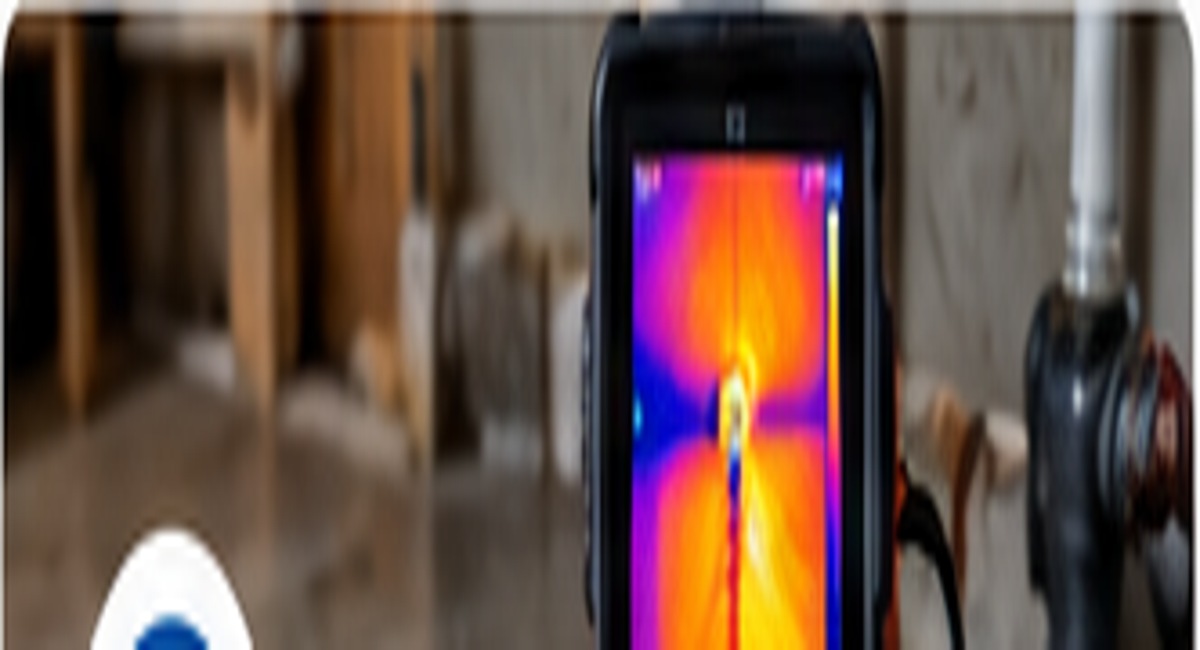
Quick answer: Non-invasive leak detection uses diagnostic observations and tools to narrow a suspected source before opening walls, floors or other finishes. Acoustic listening, thermal imaging, moisture measurement and certain pressure or tracer-gas methods can help depending on the system. The provider determines whether any physical access is ultimately needed.
Quick answer: Use the symptoms and property context in this guide to narrow the likely leak category, then confirm the physical source with an appropriate professional inspection. The exact method depends on the system and conditions at the property.
Written by the DeSoto Leak Detection Editorial TeamReviewed for clarity, safety, local relevance, and source attribution.
Next useful step: slab leak detection can help when the symptom points to that system, while interior wall & ceiling leak detection covers a different diagnostic path. For local context, see leak detection in Briarwood Estates. For the broader topic, return to the DeSoto leak detection homepage.
The term non-invasive is often used as a benefit, but it needs context. A diagnostic method can reduce unnecessary access without making the repair itself non-destructive. The goal is to identify the most likely source with the least reasonable disruption before deciding what must be opened for repair.
When non-invasive methods can be useful
They are especially valuable when the source is concealed and the visible symptom is not enough.
- Finished floors or walls would be costly or disruptive to open without first narrowing the source.
- Moisture is visible but the plumbing path is concealed.
- An underground line is suspected and direct excavation would create unnecessary disturbance if a better diagnostic clue is available.
- A commercial property needs to minimize business disruption while the source is investigated.
- Multiple possible sources exist and a staged diagnostic approach can reduce guesswork.
How a professional evaluation is typically approached
Non-invasive does not mean one tool; it can be a combination of evidence.
01
ObserveMap moisture, stains, temperature differences, meter clues and timing.
02
TargetChoose the most useful method for the suspected system.
03
ConfirmCompare the diagnostic signal with other clues before concluding where the source likely sits.
04
Access only as neededIf repair requires opening a finish, the location information can help make that access more targeted.
Common non-invasive tools and what they can do
Thermal imaging can show temperature patterns associated with moisture or air movement. Moisture meters can provide readings at selected materials. Acoustic listening may help with pressurized water leaks, particularly when sound can travel through the surrounding structure. Tracer-gas approaches may be useful in specific difficult-to-locate line conditions. None of these tools should be treated as a universal leak detector.
The strongest process uses the tool that matches the problem. That is why a page about non-invasive detection should focus on method selection and limitations, not a promise that every leak will be found without access.
What to have ready before you call
Describe the access concern as well as the leak concern:
- What surface you are trying to avoid opening
- Where moisture or water is visible
- Whether the line is suspected underground, under a slab or inside a wall
- Any previous inspection or repair attempts
- Whether the property is occupied or commercial
Practical DeSoto context and next-step guidance
For a DeSoto property, the useful starting point is the pattern of the symptom rather than an assumption about the cause. With thermal imaging, moisture scanning, acoustics, tracer methods, and targeted verification, the same visible clue can have different explanations depending on where water, air, pressure, or moisture is traveling. A careful source investigation therefore starts with observations that can be repeated and compared: when the symptom appears, whether it changes with water use, whether weather or HVAC operation matters, and whether the affected area is close to a known plumbing route.
A practical way to think about non-invasive leak detection is to separate three questions: what is happening, where is it happening, and what evidence can narrow the source. That sequence helps avoid premature repair assumptions. For example, a stain, wet patch, pressure change, sound, or water-bill increase is evidence of a symptom, not automatically proof of the exact failed component. A provider may use one method to narrow the area and another to confirm the source before recommending access or repair.
The diagnostic method should match the property and the symptom. Narrowing a suspected leak with minimal unnecessary disturbance can involve visual inspection first, followed by targeted use of moisture measurements, thermal imaging, acoustic equipment, pressure observations, or another specialized technique when appropriate. No single instrument produces perfect results in every building. Surfaces, insulation, temperature, pipe material, water pressure, accessibility, and the timing of the leak can all affect what a test can show. Good source location is therefore based on converging clues rather than a single reading.
Before a call, write down the exact room or outdoor area involved, what the symptom looks or sounds like, when it began, and whether it changes after showers, fixture use, irrigation, HVAC operation, or rainfall. Take a few clear photos without moving damaged materials unnecessarily. If the issue is active, note whether water is spreading, pooling, staining a ceiling, or changing the appearance of flooring or walls. Those details give the referring service and the independent provider a more useful starting point.
Because this website serves DeSoto, TX, the local page and the service page should work together rather than repeating the same paragraph. A neighborhood page adds location context, while the service page explains the diagnostic topic in depth. From an SEO standpoint, this article supports that structure by answering a specific informational question and then directing readers to the relevant leak-detection service when they need a professional next step.
Useful details to have ready include: surface observations; moisture measurement; thermal patterns; acoustic or tracer methods when appropriate.
For homeowners and property managers, the value of non-invasive leak detection is clarity. A good evaluation should leave the reader with a clearer explanation of the symptom, the likely source area, what was tested, and what the next decision is. That is especially useful when the visible damage is small but the suspected leak may be concealed. The goal is not to guess from a single clue. It is to build enough evidence that the next action—continued monitoring, targeted access, repair, or another diagnostic step—is based on the actual conditions at the property.
Common questions
Does non-invasive mean no drilling or cutting ever?
No. It means the diagnostic process aims to reduce unnecessary access. The actual repair may still require opening materials.
Can thermal imaging replace other leak tests?
Not necessarily. Thermal imaging can be useful in the right conditions but may not show a reliable signal for every leak.
Are acoustic methods non-invasive?
They can be used from accessible surfaces to listen for leak noise, which may reduce the need for exploratory demolition. The exact method depends on the system.
Is non-invasive leak detection available for underground lines?
Some underground leak investigations use acoustic or other targeted methods to narrow a location before excavation. Utility safety and site conditions still apply.
How this guide was preparedPractical, sourced and transparent
We separate what can be explained from general guidance, what depends on the property, and what must be confirmed by an independent provider or public authority.
Clear authorship
Prepared by the DeSoto Leak Detection Editorial Team with a reader-first editorial process.
Claim discipline
No fabricated reviews, licenses, awards, pricing promises, response times or field-work claims.
Primary-source links
Safety and utility topics point readers to official sources when a public authority is the right reference.
Sources and further reading
Need help with a suspected leak?
Call and explain the symptom, property type and ZIP. This referral service can help connect you with an appropriate local professional.