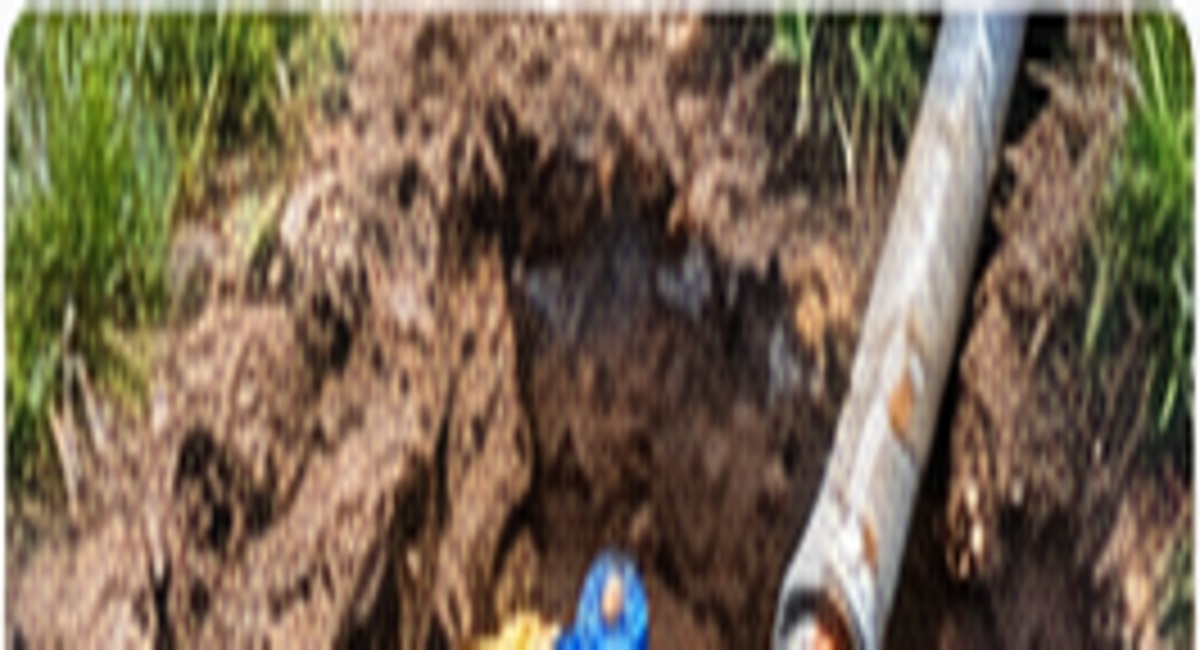
Quick answer: A wet yard can result from irrigation, drainage, groundwater, a broken sprinkler component or an underground water-line leak. Compare the wet area with irrigation routes, weather, grading and water-meter behavior. If the soil stays wet while irrigation is off and water use remains unexplained, professional leak detection may be appropriate.
Quick answer: Use the symptoms and property context in this guide to narrow the likely leak category, then confirm the physical source with an appropriate professional inspection. The exact method depends on the system and conditions at the property.
Written by the DeSoto Leak Detection Editorial TeamReviewed for clarity, safety, local relevance, and source attribution.
Next useful step: underground main line detection can help when the symptom points to that system, while acoustic ground microphone testing covers a different diagnostic path. For local context, see leak detection in Eagle Point Estates. For the broader topic, return to the DeSoto leak detection homepage.
Water appearing outdoors is easy to misinterpret because several systems can create the same surface result. A broken sprinkler head may soak one area. A drain may concentrate water. A buried supply line may allow water to migrate through soil. The first job is to eliminate simple explanations before assuming the pipe is broken.
Clues that make a buried supply leak more plausible
Look for a pattern across the property rather than only at the wet spot.
- The area remains wet for multiple days while irrigation is off.
- The meter changes when the property is not intentionally using water.
- The wet area sits along a likely service-line path rather than around a sprinkler head.
- There is a pressure change indoors at roughly the same time as outdoor water appears.
- Water seems to migrate toward a low point or foundation edge without a clear drainage source.
How a professional evaluation is typically approached
The strongest diagnostic path compares outdoor conditions with the home's water system.
01
Observe timingNote whether the wetness appears after irrigation, storms or specific water-use periods.
02
Isolate irrigationKeep scheduled irrigation from confusing the source investigation.
03
Check system behaviorCompare meter and pressure observations with the wet-ground symptom.
04
Locate the sourceIf a buried line remains likely, targeted detection can narrow the area before excavation.
Why the surface spot can be misleading
Water moving through soil does not always rise directly above the break. A leak can follow a path of lower resistance and emerge some distance from the damaged pipe. That is why a professional may scan or listen across a wider area rather than simply digging where the soil is wettest.
For excavation, treat leak detection and utility locating as different tasks. Texas811 helps identify registered buried utilities before digging; it does not replace a private leak investigation.
What to have ready before you call
Tell the provider:
- How long the spot has stayed wet
- Whether irrigation was active
- Whether the meter shows unexplained flow
- Whether indoor pressure changes at the same time
- Whether the wet area moves or expands
Practical DeSoto context and next-step guidance
For a DeSoto property, the useful starting point is the pattern of the symptom rather than an assumption about the cause. With irrigation, drainage, main lines, pool systems, and saturated soil, the same visible clue can have different explanations depending on where water, air, pressure, or moisture is traveling. A careful source investigation therefore starts with observations that can be repeated and compared: when the symptom appears, whether it changes with water use, whether weather or HVAC operation matters, and whether the affected area is close to a known plumbing route.
A practical way to think about a wet yard without recent rain is to separate three questions: what is happening, where is it happening, and what evidence can narrow the source. That sequence helps avoid premature repair assumptions. For example, a stain, wet patch, pressure change, sound, or water-bill increase is evidence of a symptom, not automatically proof of the exact failed component. A provider may use one method to narrow the area and another to confirm the source before recommending access or repair.
The diagnostic method should match the property and the symptom. Using location, persistence, and water-system clues to narrow possible causes can involve visual inspection first, followed by targeted use of moisture measurements, thermal imaging, acoustic equipment, pressure observations, or another specialized technique when appropriate. No single instrument produces perfect results in every building. Surfaces, insulation, temperature, pipe material, water pressure, accessibility, and the timing of the leak can all affect what a test can show. Good source location is therefore based on converging clues rather than a single reading.
Before a call, write down the exact room or outdoor area involved, what the symptom looks or sounds like, when it began, and whether it changes after showers, fixture use, irrigation, HVAC operation, or rainfall. Take a few clear photos without moving damaged materials unnecessarily. If the issue is active, note whether water is spreading, pooling, staining a ceiling, or changing the appearance of flooring or walls. Those details give the referring service and the independent provider a more useful starting point.
Because this website serves DeSoto, TX, the local page and the service page should work together rather than repeating the same paragraph. A neighborhood page adds location context, while the service page explains the diagnostic topic in depth. From an SEO standpoint, this article supports that structure by answering a specific informational question and then directing readers to the relevant leak-detection service when they need a professional next step.
The most useful next step is not always immediate repair. In many situations the priority is first to establish whether there is an active leak, then identify the source, and only then decide what repair or restoration work is justified. That order can reduce unnecessary demolition and helps the property owner understand what was actually found. For a referral service, the call is the connection point: the customer describes the issue, the request is matched to an appropriate local professional when available, and the provider determines the inspection, testing, pricing, and repair details.
Common questions
Could a sprinkler leak make one part of the yard stay wet?
Yes. Broken heads, valves or lateral lines can create persistent moisture. Irrigation should be checked before assuming the main water line is leaking.
Can groundwater cause a wet yard?
Yes. Groundwater and drainage conditions can produce moisture independent of plumbing. A professional should consider the site conditions.
How do you locate an underground water leak?
Depending on the system, providers may combine meter/pressure clues with acoustic or other detection methods before excavation.
Should I dig where the soil is wettest?
Not necessarily. The water may travel through soil, so the wettest spot is not guaranteed to be the break location.
How this guide was preparedPractical, sourced and transparent
We separate what can be explained from general guidance, what depends on the property, and what must be confirmed by an independent provider or public authority.
Clear authorship
Prepared by the DeSoto Leak Detection Editorial Team with a reader-first editorial process.
Claim discipline
No fabricated reviews, licenses, awards, pricing promises, response times or field-work claims.
Primary-source links
Safety and utility topics point readers to official sources when a public authority is the right reference.
Sources and further reading
Sources & further reading
Need help with a suspected leak?
Call and explain the symptom, property type and ZIP. This referral service can help connect you with an appropriate local professional.